
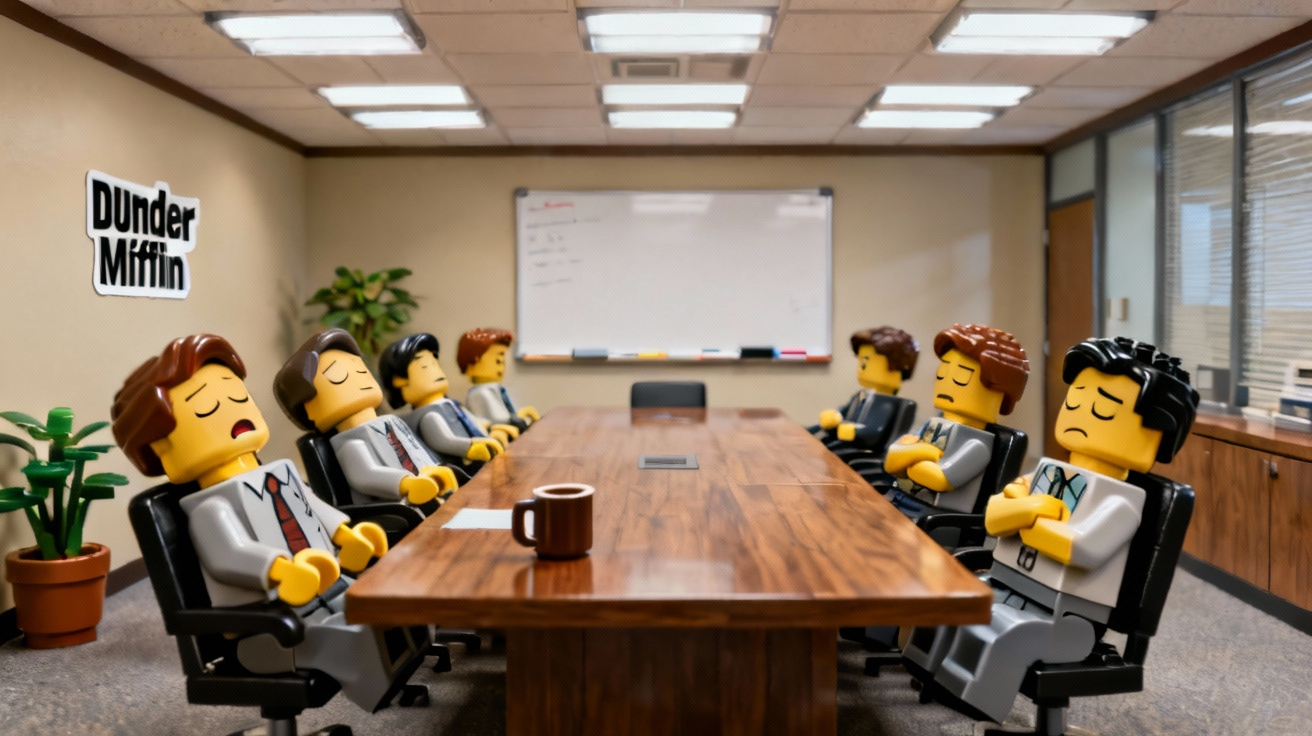
All-day trainings have a bad reputation: long lectures, sleepy afternoons, and slides no one reads again.
But a well-run training day can reset expectations, launch new initiatives, and create shared language your team uses for years.
Here’s how to host a training day people actually remember.
Start with a clear outcome
Before you book a room or build slides, answer one question:
“At the end of this day, what should people be able to do differently?”
Maybe it’s having real coaching conversations, using a new system, or following a new safety process. That outcome should drive every part of the agenda.
Choose a space that supports learning
Look for:
- Comfortable seating and good sightlines
- Reliable AV for slides and videos
- Whiteboards or flip charts for group work
- Easy access to restrooms, coffee, and lunch
If people are uncomfortable, cramped, or constantly distracted by hallway noise, they won’t absorb much.
Mix formats to keep energy up
Aim for a rhythm of:
- Short presentations (15–25 minutes)
- Small group discussions or exercises
- Quick report-backs to the full group
Even a simple “turn to the person next to you and discuss…” breaks up the pattern and keeps people involved.
Build in real practice
Adults learn by doing, not just listening.
- Role-play tricky conversations
- Have people complete a short exercise using the new tool
- Ask teams to create a mini-plan they’ll implement next week
The more they practice in the room, the more confident they’ll feel afterward.
Plan your breaks strategically
Attention naturally dips mid-morning and mid-afternoon. Plan breaks around those times:
- 10–15 minutes every 60–90 minutes
- Longer lunch that lets people walk around or get outside
Encourage people to move, stretch, and check phones during breaks so they can be fully present in sessions.
Feed people well
Food isn’t the main event… but it absolutely affects energy and mood.
A good training day usually includes:
- Coffee, tea, and water available all day
- Light morning snacks
- Balanced lunch (not just heavy carbs)
- Afternoon pick-me-up (fruit, nuts, small sweets)
Work with your venue to plan options that fit your budget and timing.
Close with commitments
Don’t let the day end with “Thanks everyone!” and a shuffle to the parking lot.
Instead:
- Ask each person to write down one or two concrete actions they’ll take.
- Have a few people share theirs out loud.
- Confirm any follow-up sessions or check-ins.
That closing loop helps turn a good day into lasting change.
With the right space and a thoughtful agenda, your training day can be something your team looks forward to — not just something they “have to sit through.”